
Hear from Our Customers
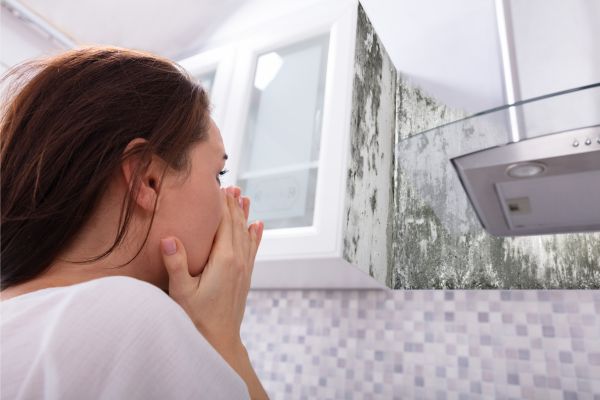
You’ve noticed the musty smell in the basement. Maybe someone in your family can’t shake that cough, or you’re seeing dark spots creeping up the bathroom wall. You need to know what you’re dealing with before you spend thousands on a fix you might not even need.
That’s where professional mold testing comes in. We’re not here to sell you a $15,000 remediation job before you even know what type of mold is in your house. We test, we analyze, and we give you the facts. Then you decide what happens next.
Our testing tells you exactly what’s growing in your home, where it’s concentrated, and whether your indoor air quality is worse than what’s outside. You get a detailed lab report within 48 hours that breaks down mold types, spore counts, and what it all means for your family. No sales pitch. No pressure. Just the information you need to make a smart decision about your home.
We’ve been serving homeowners in Blue Ridge and throughout Bucks County for years. We’re state-licensed mold inspectors who understand the specific challenges of living in this area. The humid summers, the frequent rain, and especially those homes built in the 80s and 90s without proper moisture barriers create the perfect conditions for mold growth.
Here’s what makes us different: we don’t do remediation work. That means when we test your home, you’re getting an unbiased assessment from someone who has zero financial incentive to tell you there’s a problem. We work with independent laboratories that specialize in mold analysis, and every report we deliver is backed by certified lab results.
You’re not getting a sales pitch. You’re getting answers.
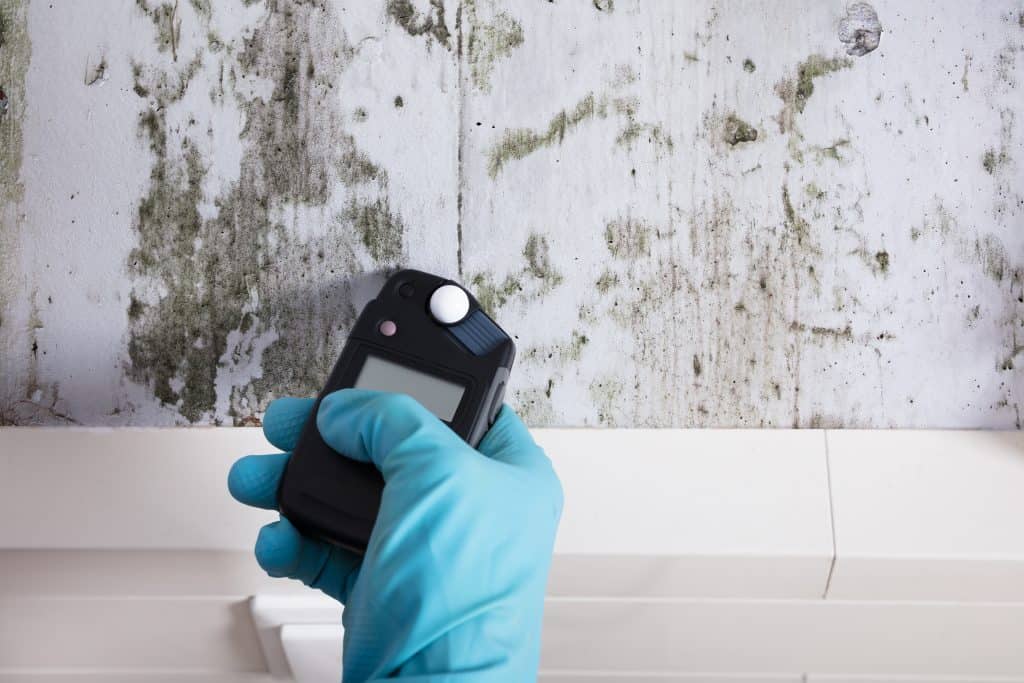
We start with a free walkthrough of your property. No pressure, no commitment. We’re looking for visible signs of mold, checking moisture levels, and using thermal imaging to detect temperature differences that might indicate hidden water problems behind your walls.
If testing makes sense, we collect air samples from different areas of your home and compare them to outdoor air quality. We also take surface samples from any visible growth. Every sample goes to an independent lab that specializes in mold analysis. They identify the exact species, measure concentration levels, and determine whether your indoor air quality is within acceptable ranges.
Within 24 to 48 hours, you get a detailed report that explains what we found, where we found it, and what it means for your home. We walk you through the results in plain language. If there’s a problem, we’ll tell you how serious it is and what your options are. If your air quality is fine, we’ll tell you that too.
The whole process is straightforward. You’re not left wondering what’s happening or waiting weeks for results. You get clear answers fast.
Ready to get started?
Your mold testing includes a complete visual inspection of your property, moisture readings using calibrated meters, thermal imaging to detect hidden moisture, and air quality sampling from multiple locations. We also collect surface samples from any visible growth and compare your indoor air to outdoor baseline samples.
All samples go to a nationally recognized laboratory for analysis. You’re not getting results from some mail-order kit. You’re getting certified lab work that identifies specific mold species and measures spore concentrations. The lab report breaks down everything in detail, and we explain it to you in language that actually makes sense.
Here in Blue Ridge and Bucks County, we’re dealing with climate conditions that make mold a real concern. Precipitation has increased 5 to 10 percent in recent years across Pennsylvania. That extra moisture has to go somewhere, and it often ends up in basements, crawl spaces, and behind walls. Homes built before modern moisture barrier standards are especially vulnerable.
If you’re buying or selling a home, our documentation meets the requirements that real estate agents and insurance companies are looking for. If you’re filing a claim, we know what adjusters need to see. And if you just want peace of mind about your family’s health, we give you the facts without the fear tactics.
Most residential mold testing in Blue Ridge runs between $300 and $600, depending on the size of your home and how many samples we need to collect. That includes the inspection, sample collection, laboratory analysis, and a detailed report with our findings.
It’s not cheap, but it’s a lot less expensive than guessing. DIY test kits from the hardware store might cost $10 to $50, but they only test for basic contaminants and often give you incomplete or misleading results. You end up not knowing much more than you did before.
Professional testing gives you accurate data from a certified lab. You know exactly what types of mold are present, where the concentrations are highest, and whether your indoor air quality is actually a problem. That information helps you make smart decisions about whether you need remediation, how extensive the work needs to be, and what it should cost. Spending a few hundred dollars on testing can save you thousands on unnecessary remediation work.
You’ll have your lab results within 24 to 48 hours after we collect samples. The laboratory analyzes everything and sends us a detailed report, which we then review with you and explain what it all means.
That turnaround time is important because mold doesn’t wait. If you’re dealing with a water damage situation, you need to know quickly whether mold is already growing and how serious the problem is. If you’re in the middle of a real estate transaction, you can’t afford to wait two weeks for results.
We work with labs that prioritize residential testing and understand that homeowners need answers fast. Once you have the report, you can move forward with confidence. Whether that means scheduling remediation, adjusting your real estate negotiations, or just breathing easier knowing your air quality is fine, you’re not stuck in limbo wondering what’s happening in your home.
You can, but you probably won’t get useful information. Most DIY kits only test for a handful of common mold types and don’t give you any context about concentration levels or whether what they’re detecting is actually a problem.
Here’s the thing: mold spores are everywhere. They’re in outdoor air, indoor air, and on most surfaces. The question isn’t whether mold is present. The question is what type of mold it is, how much of it there is, and whether the concentration is high enough to cause health problems or structural damage.
Professional testing compares your indoor air quality to outdoor baseline samples. That tells you whether your home has abnormally high mold levels or if what you’re seeing is normal background exposure. We also identify the specific species, which matters because some molds are harmless and others can cause serious health issues. A DIY kit can’t give you that level of detail, and without it, you’re still guessing about whether you have a real problem.
In Blue Ridge and throughout Bucks County, we typically see Cladosporium, Penicillium, Aspergillus, and sometimes Stachybotrys, which is what people call black mold. Each one thrives in slightly different conditions, but they all need moisture to grow.
Cladosporium often shows up on wood surfaces, window sills, and in HVAC systems. Penicillium likes water-damaged materials like drywall, carpeting, and insulation. Aspergillus grows on dust, fabrics, and in areas with poor ventilation. Stachybotrys is the one that gets the most attention because it produces mycotoxins that can cause serious health problems. It grows on materials with high cellulose content, like drywall and wood, especially after prolonged water exposure.
The climate here makes mold growth more likely than in drier regions. We get humid summers, frequent rain, and a lot of older homes that weren’t built with modern moisture barriers. Basements and crawl spaces are especially vulnerable. That’s why testing is important. You need to know what you’re dealing with so you can address it properly instead of just bleaching the surface and hoping it doesn’t come back.
It depends on what caused the mold. If it’s from a sudden, covered event like a burst pipe or storm damage, most policies will cover testing and remediation. If it’s from long-term neglect, poor maintenance, or an ongoing moisture problem you didn’t address, coverage is less likely.
Insurance companies want to see documentation that proves the mold resulted from a covered peril. That’s where professional testing comes in. Our lab reports provide the evidence adjusters are looking for. We document what we found, when we found it, and the likely source of the moisture that caused the growth.
Even if your insurance doesn’t cover the full cost of remediation, having a professional assessment helps you understand the scope of the problem and get accurate estimates. We’ve worked with insurance claims over the years and know what documentation they need. We can’t guarantee your claim will be approved, but we can make sure you have the right information to support it. The worst thing you can do is start tearing out drywall before you’ve documented the damage and gotten approval from your insurance company.
If you can see mold growth that’s larger than a few square feet, or if someone in your home is experiencing unexplained health symptoms like persistent coughing, headaches, or respiratory issues, testing is worth it. You need to know what you’re dealing with before you start ripping out walls.
Testing tells you whether the mold is toxic, how widespread the problem is, and whether there’s hidden growth you can’t see. That information determines how aggressive your remediation needs to be. Small surface mold on a bathroom tile might just need a good cleaning. Black mold behind your drywall from a slow leak requires professional remediation with containment and air filtration.
Without testing, you’re guessing. And if you hire a remediation company that also does the testing, they have a financial incentive to tell you the problem is worse than it actually is. That’s why independent testing matters. You get unbiased results from someone who isn’t trying to sell you a $10,000 remediation job. Then you can make an informed decision about what needs to happen next.
Other Services we provide in Blue Ridge